
4x4 Kiln Dried Lumber: Species, Grades, and Custom Options
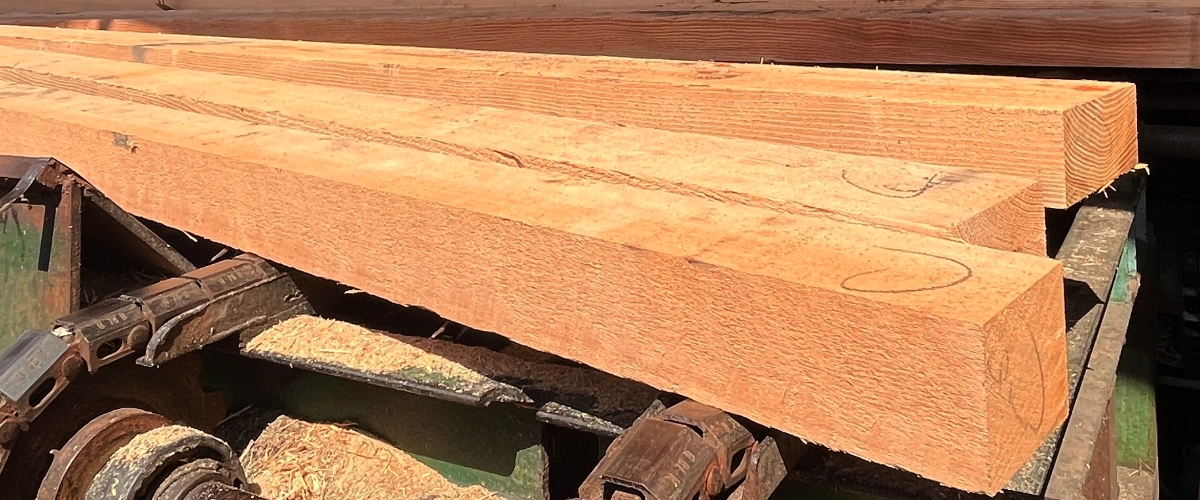
If you’ve spent any time working with structural lumber, you already know that not all boards are created equal. Choosing the right material can mean the difference between a project that lasts decades and one that warps, cracks, or fails before its time. That’s where 4×4 kiln dried lumber comes into the picture, and honestly, it’s one of the most versatile options a builder or DIYer can have in their arsenal.
Whether you’re framing a deck, building a fence, constructing raised garden beds, or tackling a furniture project, understanding your species and grade options puts you in a much stronger position before you ever set foot in a lumber yard. And if you’ve ever wondered about custom sizing or specialty treatments, we’re covering that too.
In this post, we’re breaking down everything you need to know about 4×4 kiln dried lumber, from the most popular wood species and what makes each one shine, to grading systems and custom options that can take your project to the next level. Let’s get into it.
What Kiln Dried Actually Means for a 4×4
If you’ve ever grabbed a 4×4 off the shelf without thinking twice about its moisture content, this is worth a read before your next order.
Kiln drying is exactly what it sounds like: lumber gets loaded into a controlled kiln where heat and airflow pull moisture out of the wood until it hits a target moisture content (MC). For most applications, that target lands somewhere between 6% and 19%, depending on the end use. Compare that to green lumber fresh off the saw, which regularly exceeds 30% MC and can climb well above 50% in certain species. That difference is not trivial. When wood dries out after installation, it shrinks, and the results show up as warping, twisting, checking, and general dimensional chaos. Kiln drying happens before the wood gets to you, so most of that movement is already out of the equation. The USDA Forest Products Laboratory’s drying guide makes clear that matching final MC to the in-use environment is what actually prevents post-installation problems.
This stability question matters even more with 4×4 stock than with a standard 2×4. Posts and beams carry load or stay visible in the finished build, so a twist or check is not just cosmetic, it can affect structural integrity or ruin a clean aesthetic. Larger cross-sections also dry more slowly and unevenly, which means a properly kilned 4×4 requires more careful process control to avoid internal stress.
One thing worth knowing: HT (heat treatment) certification is a separate process from kiln drying. HT heats the wood core to at least 56°C for 30 minutes to eliminate insects and pathogens, and it’s required for international shipping and certain packaging applications under ISPM 15 standards. As McIlvain explains in their breakdown of KD standards, “kiln dried” alone can vary widely without verification, so checking the stamp matters.
KD means moisture content has been reduced to 19% or below. KD-HT means that same drying process plus the phytosanitary heat treatment. If you are sourcing 4×4 kiln dried lumber for domestic construction or millwork, standard KD is typically the right call. If the material is heading into crating, export packaging, or international shipments, you need KD-HT. Ordering the wrong one causes delays and added cost, so it is worth confirming upfront with your supplier which designation applies to your application.
Common Species for 4×4 KD Lumber and When to Use Each
Not every species of wood behaves the same way once it comes out of the kiln, and choosing the right one for your project can save you a lot of headaches down the road. Here’s a breakdown of the most common species you’ll encounter when sourcing 4×4 kiln dried lumber and where each one truly shines.
Douglas Fir
Douglas Fir is the benchmark species for structural applications. It offers an exceptional strength-to-weight ratio, outstanding stiffness, and excellent nail-holding capacity, which makes it the dominant choice across the Pacific Northwest for posts, framing, headers, and load-bearing columns. If your project involves anything structural, Douglas Fir is usually the first species to consider. It performs reliably in both interior and exterior settings, though you’ll want to add pressure treatment for any ground-contact use. Many suppliers sell it as #2 and Better or #1 and Better, S4S, kiln dried and ready to go.
Southern Yellow Pine
Southern Yellow Pine is the Southeast’s answer to Douglas Fir, and in many ways it gives it a run for its money. It’s dense, strong, and holds fasteners exceptionally well. What really sets it apart is its treatment retention; it accepts preservatives more deeply and uniformly than most other softwoods, which is why it dominates ground-contact and outdoor structural applications. According to the Southern Pine industry resource, SYP accounts for a significant portion of treated lumber products on the market. If you’re building deck supports, outdoor posts, or structures with soil exposure, SYP kiln dried lumber is a proven option.
Western Red Cedar
Western Red Cedar brings something to the table that neither Douglas Fir nor SYP can match naturally: built-in decay and insect resistance. Its natural extractives make it highly durable in above-ground exterior conditions without any chemical treatment. It’s also lightweight and visually appealing, with a warm reddish-brown tone. This makes it the go-to for porch posts, outdoor furniture, decorative millwork, and exposed trim where looks matter as much as longevity. Keep in mind it’s not the best choice when maximum structural load capacity is required.
Hemlock
Hemlock is the practical, budget-conscious option that gets the job done without much fuss. It machines cleanly, fastens reasonably well, and carries enough strength for general framing and cut stock applications. It’s widely used in interior framing, industrial applications, and utility builds where the wood won’t be seen. If you’re sourcing material for non-visible structural or shop applications, Hemlock offers solid performance at a lower price point.
Spruce and Ponderosa or Sugar Pine
Rounding out the lineup, Spruce (commonly grouped as SPF, or Spruce-Pine-Fir) along with Ponderosa and Sugar Pine are your lighter-duty workhorses. These species are valued for their low weight, easy machinability, and smooth workability. Spruce is ubiquitous in general construction framing and packaging. Ponderosa and Sugar Pine excel in interior finish work, furniture components, molding, and millwork where a fine, consistent grain is an asset. Check current lumber price updates if you’re budgeting across species, since pricing can shift based on regional supply and market conditions. These species are not typically the right pick for heavy structural loads, but for the right application, they’re hard to beat.
Grades and Finishes Explained
Once you’ve settled on the right species for your project, the next decision comes down to grade and finish. These two factors determine how the lumber looks, how it performs, and how much work you’ll need to put in before it’s ready to use.
#2 Common (also called Premium or Construction grade) is the workhorse of the industry. It’s the standard choice for general construction, posts, framing, and anywhere the lumber is going to be hidden or functional rather than decorative. This grade allows for larger knots, some wane along edges, and other natural characteristics that don’t compromise structural integrity. If you’re building a fence, a pergola base, or setting posts in concrete, #2 Common gets the job done without burning through your budget.
#1 and Better (or Select grade) steps things up considerably. You’ll see tighter, smaller knots and significantly fewer defects overall. This grade makes sense when the lumber will be partially visible, when you’re working with tighter structural specifications, or when a cleaner appearance matters without going full premium. Think exposed porch posts or beams in a finished space where knots would look out of place.
Clear grade is the top of the ladder. Minimal to no knots, consistent grain, and a clean surface make this the right call for finish millwork, custom furniture, or any application where appearance is non-negotiable. You pay a premium for it, but there’s no substitute when visual quality is the whole point.
On the finish side, rough sawn lumber keeps the saw marks and runs slightly oversized, which is actually useful when you plan to do additional machining or want a natural, rustic texture built into the final look.
S4S (surfaced four sides) is what most people picture when they think of dimensional lumber, smooth on all faces and true to consistent dimensions, ready to use right out of the gate. Beyond standard S4S, custom profiling options through precision manufacturers open the door to moulded edges, specific thickness targets, and finger-jointed configurations for longer runs. That level of flexibility is worth knowing about when your project calls for something beyond what sits on a shelf. Understanding how to read a lumber stamp helps you quickly verify grade, moisture content, and finish before your material even arrives on site.
Where 4×4 KD Lumber Gets Used Across Industries
Now that you understand how species and grades shape what a 4×4 can do, it’s worth looking at where this material actually shows up in the real world, because the range is wider than most people expect.
Structural Posts and Beams
In residential and light commercial framing, 4×4 KD lumber is a workhorse. It shows up as posts, columns, and smaller load-bearing members in everything from houses and additions to barns and sheds. The reason builders specify kiln-dried stock here comes down to one thing: dimensional stability. Green lumber moves as it dries in place, and that movement translates into callbacks, nail pops, and rework that nobody wants to deal with. KD framing holds its shape, keeps fasteners tight, and gives you a more predictable finished structure. Timber framing and post-and-beam construction guides consistently point to moisture control as a key factor in long-term structural performance.
Porch Supports, Deck Posts, and Pergola Framing
Outdoor applications raise the stakes on appearance and weather performance. Deck posts, porch columns, and pergola uprights are visible, often finished, and exposed to moisture cycling through seasons. Kiln-dried stock starts with a lower moisture baseline, which means less checking, splitting, and twisting after installation. Builders working with kiln-dried framing lumber frequently note that the difference shows up most clearly in outdoor structures where movement is magnified by sun and rain exposure.
Furniture and Cabinet Components
Furniture makers and cabinet shops lean on KD 4x4s for legs, posts, and structural components where joint integrity matters over the long haul. When moisture content is inconsistent, joints loosen, panels cup, and finishes crack. KD stock with a stable moisture reading gives you clean machining, tight joinery, and a finished piece that holds together years down the road.
Crating and Industrial Packaging
This is a segment that often surprises people. The global KD dimensioned lumber market for crating and packaging was valued at roughly $14 billion in 2025, and 4×4 stock is a regular contributor. Many export shipments require HT (heat treatment) certification under ISPM 15 phytosanitary standards to prevent pest transfer across borders. KD lumber that also carries HT certification checks both boxes, making it a go-to for industrial packaging operations serving international supply chains.
Custom Millwork, Trim, and Moulding Blanks
A 4×4 KD blank is often just the starting point. Custom millwork shops rip them down, run them through a moulder, or profile them into finished trim, casings, baseboards, and architectural components. Because the stock is dry and stable, it machines cleanly with minimal tear-out and stays put after installation. Achieving tight tolerances, think 1/64-inch precision, requires feedstock that won’t shift during or after milling, and that is exactly what properly kiln-dried 4×4 lumber delivers.
What Big-Box Stores Do Not Tell You About 4×4 Lumber
If you’ve been sourcing 4×4 kiln dried lumber from a retail shelf and wondering why your cuts aren’t lining up or your joinery feels inconsistent, this section is going to clear a few things up.
Retail 4x4s come with built-in limitations most buyers never think to ask about. The standard offering at commodity outlets is typically #2 grade or a marketing designation called “#2 Premium,” sold in one dominant species like Southern Yellow Pine or Spruce-Pine-Fir. Customization essentially stops at length. You can pick up an 8-foot, 10-foot, or 12-foot piece, and that’s about the extent of your options. For basic structural framing, that works fine. But if you’re building furniture, running production joinery, or sourcing input material for a manufacturing process, that limitation starts to cost you.
Loose tolerances are the part retail suppliers rarely mention out loud. Standard commodity milling allows dimensional variation of roughly ±1/16 inch or more in practice, depending on species, supplier, and milling equipment. That might sound minor, but across a production run it creates real problems. Pieces that should nest together cleanly require extra setup time, adjustment, or get rejected outright. For precision joinery or industrial applications, that kind of variability is not acceptable, and it adds up fast.
Grade consistency is another issue worth understanding before you commit to a retail source. Bundles can include mixed grades or mismarked stock, all technically within the #2 category, which permits moderate knots and some wane. Sorting through inconsistent material slows down production and cuts into your yield before you’ve even made a single cut.
Custom remanufacturing suppliers operate in a completely different league when it comes to precision. Tolerances of 1/64 to 1/32 of an inch are achievable through full-process control, from kiln drying through surfacing and grading. That level of consistency simply is not available through commodity channels. For buyers processing thousands of board feet as input material for value-added products, tighter dimensions mean fewer rejects, less material waste, and measurable yield gains across the entire run. The difference between a standard dimension and a precision dimension is not just a technical detail; it directly affects your margins.
What to Look for When Choosing a 4×4 KD Lumber Supplier
Not all suppliers are created equal, and once you’re past the basics of species and grade, the differentiators come down to documentation, flexibility, and honest communication. Here are five things worth checking before you commit to a source.
- PLIB-Certified Grading Backs the Stamp With Real Accountability
When a supplier’s lumber carries PLIB-certified grading, it means an independent, accredited third party has verified that the grade stamps on your material actually reflect published standards, not just the supplier’s internal assessment. The Pacific Lumber Inspection Bureau has been operating since 1903 and is recognized by the American Lumber Standards Committee. For structural applications or commercial contracts where grade consistency matters, this kind of third-party verification removes a significant layer of risk. If a supplier is grading their own product without independent oversight, you’re taking their word for it.
- FSC and PEFC Chain-of-Custody Certification Is Increasingly Non-Negotiable
For commercial buyers, responsible sourcing documentation is no longer just a nice-to-have. Many end clients, public procurement programs, and export markets now require FSC or PEFC chain-of-custody certification as a baseline condition. If your customer needs to verify sustainable sourcing for their own ESG reporting or regulatory compliance, a supplier without this documentation puts you in a difficult position. Ask for CoC certificates upfront rather than discovering the gap mid-project.
- HT Certification Must Be Documented for Any Export Application
If any portion of your 4×4 KD lumber order is headed into international packaging, crating, or export logistics, ISPM 15 heat treatment compliance is required, full stop. The material needs to be treated to a core temperature of 56°C for a minimum of 30 minutes and carry the proper HT stamp with accredited agency information. Unmarked or undocumented material can be rejected at the border. Suppliers who handle HT certification in-house and provide proper documentation save you from compliance headaches later.
- Minimum Order Flexibility Opens Doors for Custom and Specialty Work
Many high-volume operations push truckload minimums that simply do not work for specialty 4×4 projects requiring a short run in an unusual species or dimension. Suppliers who offer low or no minimums on items like Douglas Fir or Hemlock give you room to prototype, test, or fulfill a niche order without overbuying or sourcing from multiple vendors just to meet thresholds.
- Transparency Around Capabilities Tells You Everything
A supplier who can clearly articulate their lead times, cutting tolerances, surfacing options, and moisture content guarantees is a supplier who actually understands their own operation. That transparency signals reliability. If getting a straight answer on whether they can handle a specific surfacing spec or custom length requires multiple follow-ups, that friction will show up in your order too.
How Prime Forest Remanufacturing Handles 4×4 KD Lumber
If you’ve followed the supplier checklist in the previous section, you already know what to look for. Here’s how Prime Forest Remanufacturing actually stacks up against those criteria when it comes to 4×4 kiln dried lumber specifically.
Equipment that supports real precision. Prime Forest runs four computer-controlled dry kilns, two double-track and two single-track, with a combined drying capacity of 400 MBF. Every load is tested for case hardening after drying, which is a step a lot of operations skip. On the remanufacturing side, the facility runs Baker resaws with a 1/16-inch kerf, a high-speed planer with a Double End Trim system, three Leadermac moulders, and a 350 Optimizer that uses laser scanning to detect defects and maximize yield. That combination gives you options well beyond what a standard mill setup can offer.
Tolerances that actually matter. Standard tolerances across cutting, ripping, and surfacing run 1/64 to 1/32 of an inch. Maximum surfacing size is 4 inches thick by 12 inches wide, which covers most 4×4 custom work cleanly. For joinery-heavy applications or anything going into finished millwork, that level of consistency makes a measurable difference.
Low barriers to custom runs. Douglas Fir and Hemlock carry no minimum order requirement. Other species have low minimums starting at 50 to 60 FBM. That means you can run a custom 4×4 spec without tying up budget in inventory you don’t need.
Documentation covered. Prime Forest offers FSC and PEFC chain-of-custody certification options, PLIB-certified grading, and HT certificates for buyers who need traceability or export documentation. That covers most procurement checklists without requiring extra legwork on your end.
Built for specific, not standard. With over 75,000 custom options across species, grades, lengths, and profiles, the operation is structured around buyers who have exact specifications rather than those browsing commodity stock. If your 4×4 KD needs fall outside what a big-box retailer carries, this is the kind of supplier worth having in your contact list.
Getting the Right 4×4 KD Lumber for Your Project
At this point in your research, you have enough context to make a smart buying decision. Here is how to pull it all together before you place an order.
Start with species, then work your way toward grade and finish. If the lumber is going into a hidden structural application, you do not need clear or premium appearance stock. Match the wood to what the job actually demands, then layer in grade only as far as the application requires it.
If you are sourcing for production or precision work, ask suppliers directly whether they can hold your spec across the full order. Tolerance consistency matters more than the number on a spec sheet, and a good supplier will be upfront about what they can and cannot control.
Request HT or FSC certification documentation before your order ships, not after. Having that paperwork lined up early keeps your project on schedule and your supply chain compliant.
For custom dimensions, profiles, or species combinations, a remanufacturer with in-house kilns, resaws, and planers will consistently outperform a commodity supplier on accuracy. Prime Forest Remanufacturing holds tolerances to 1/64 inch and offers over 75,000 custom options across species and configurations. Reach out with your specs to get a quote and see what is available for your specific project.
Conclusion
Choosing the right 4×4 kiln dried lumber does not have to be overwhelming. Keep these key takeaways in mind as you move forward: species selection directly impacts durability and workability, grading systems help you match material quality to your specific application, and custom sizing or specialty treatments can elevate a standard project into something truly built to last.
Armed with this knowledge, you are no longer guessing at the lumber yard. You are making informed decisions that protect your investment and your time.
Ready to get started? Browse our selection of kiln dried 4×4 lumber, reach out to our team with your project specs, and let us help you find the perfect match. The right lumber is out there waiting. Your best build starts with choosing it wisely.